Buying guide
Oud Buying Guide
A short guide to the usual differences between kinds of oud before buying: what natural and enhanced mean, the typical scent of each origin, what the grades printed by stores stand for, what oud oil is, and how a small piece is tried before a larger quantity.
Natural or enhanced?
Natural oud is resinous wood that was not treated after harvest. Its scent comes from the resin inside the wood itself and unfolds gradually, changing as it burns.
Enhanced oud is wood treated or soaked with oils or fragrance materials. Its first scent is usually stronger and clearer and its price is often lower, but that scent can fade or shift quickly as the wood burns because it does not come from the wood resin.
The type is usually stated in the product name or description: "natural" or "enhanced".
Origins and their scent character
Oud is usually named after the country or region where it grew. What follows is a general description of what is commonly said about each origin. In practice the scent varies from piece to piece and batch to batch, depending on the tree and the drying, and personal trial has the last word.
Figures as of 4 November 2026
Vietnamese oud
Usually known for a warm, sweet scent that may lean towards balsamic or fruity touches. Some stores list it under the name "Tiger".
7 products · 4 stores · From SAR 20
-
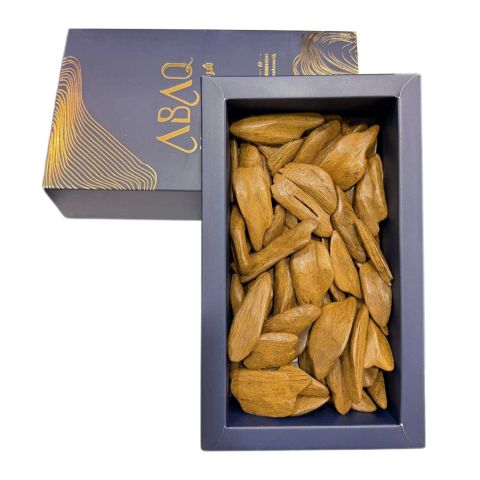
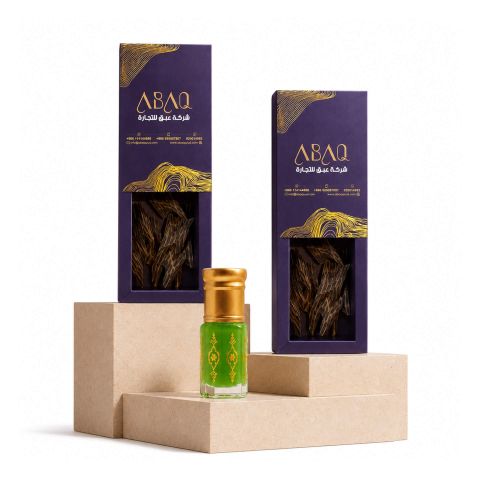 Vietnamese Tiger Agarwood Oud Set with Musk Shower
SAR 99
 Abaq
Partner store
-
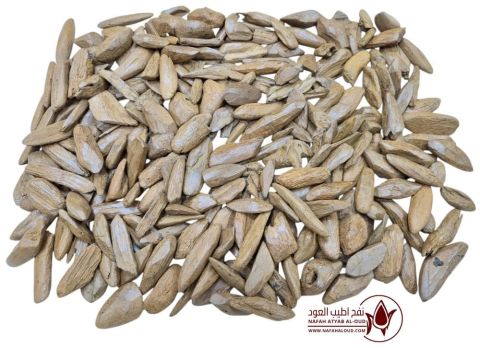
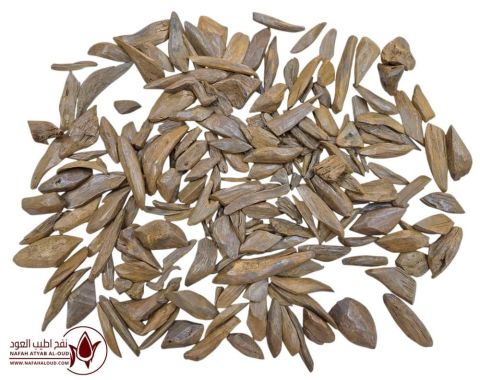
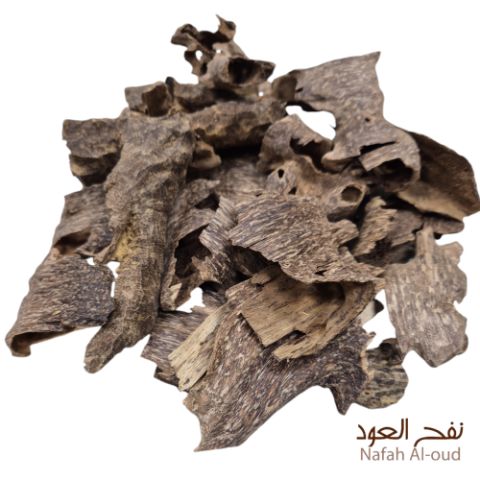 Natural Vietnamese Oud, Super High Grade, 125 g
SAR 475
 Nafah Atyab Al-Oud
Partner store
-
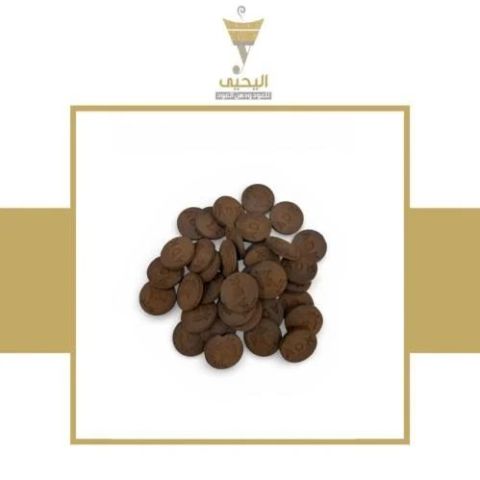
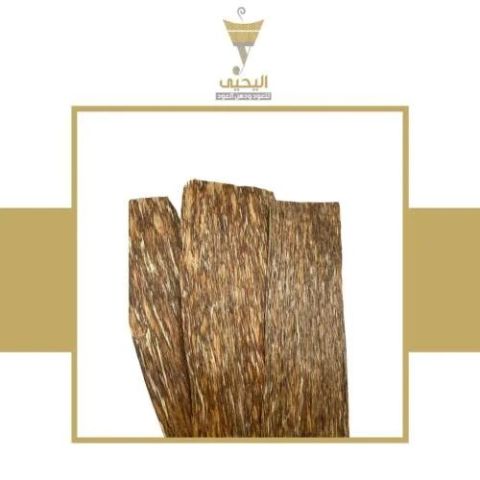 Vietnamese Oud Chips AA Grade
SAR 20
 Alyahya Oud
Partner store
-
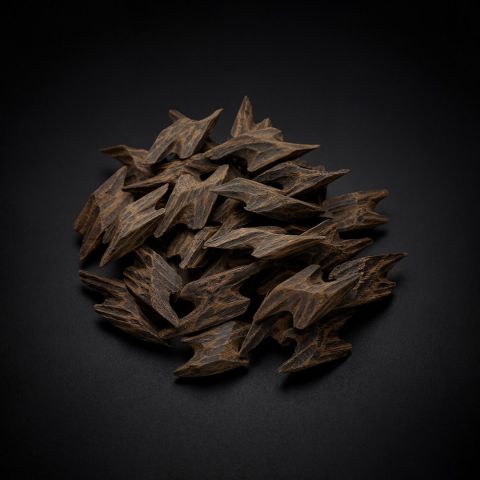 Tiger Vietnamese Oud with a Strong, Lasting Scent in Several Sizes
From SAR 74
 Aromedge
Partner store
Kalimantan oud
From the Indonesian part of Borneo. Often described as deep and woody with a calm sweetness, sometimes with an earthy touch.
3 products · 2 stores · From SAR 75
Merauke oud (Morouki)
Named after the Merauke region in Indonesian Papua, not Morocco. Generally associated with a strong, penetrating scent with an animalic or leathery touch; "Asqoon" is one of its names.
12 products · 3 stores · From SAR 45
Indian oud
Usually known for a strong, lasting scent with a heavy character. Varieties sold under names such as Sila, Mori and Zora belong here.
3 products · 2 stores · From SAR 160
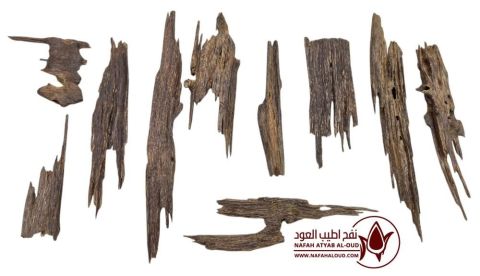
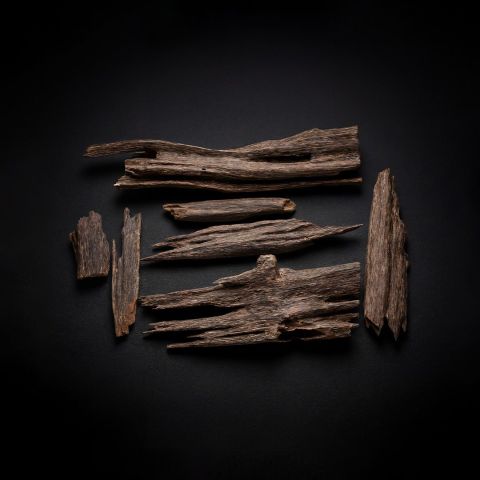
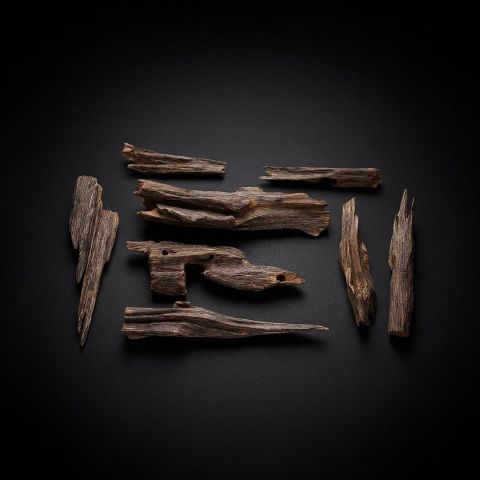
Laotian oud
Often described as soft and sweet with a light woody touch.
2 products · 2 stores · From SAR 200
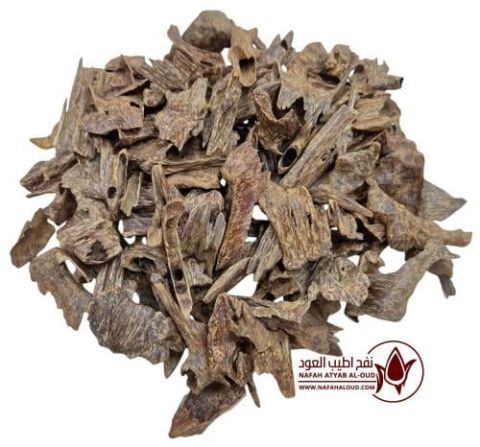
Malaysian oud (Sabah)
Sabah is a Malaysian state on the island of Borneo. Usually described as fairly sweet with woody and fruity touches.
1 product · 1 store · From SAR 340
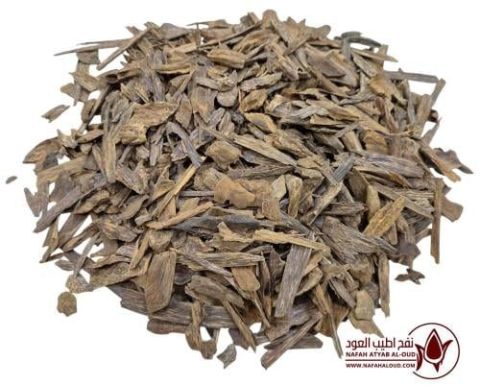
Chinese cultivated oud
Grown on plantations rather than in the wild. It is usually lighter in scent and lower in cost than wild oud, and quality varies with how long the tree grew.
1 product · 1 store · From SAR 94
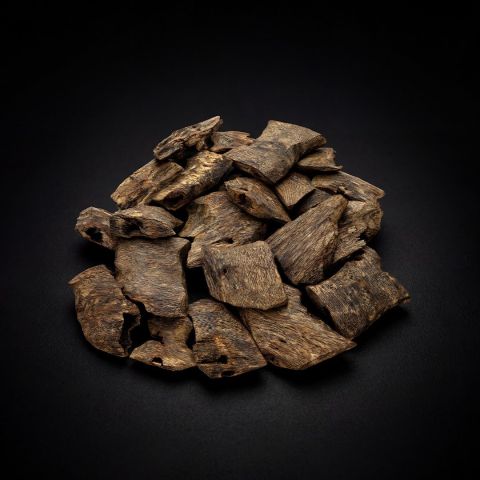
Grades: Super, Double Super and AA
These are terms sellers set for themselves. There is no single agreed standard, so "Super" at one store may not mean what it means at another.
Grades are best compared within the same store, together with the description, photos, weight and price per gram.
Oud oil
Oud oil is a fragrant oil distilled from oud wood and usually worn on the skin in small amounts. It is commonly sold by the tola or by the millilitre.
A single distillation run is called a "tabkha" (batch). Batches can differ in scent, colour and thickness, so the description of the batch on offer matters more than the name of the variety alone.
Oud oil listed now
Worn on the skin in a few drops; it varies by origin and by batch.
6 products · 3 stores · From SAR 85
-
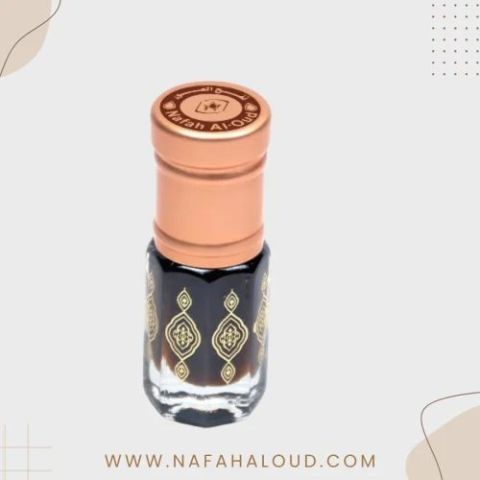 Royal Oud Oil, Woody and Sweet Dehn Al Oud
SAR 200
Nafah Atyab Al-Oud
Partner store
-
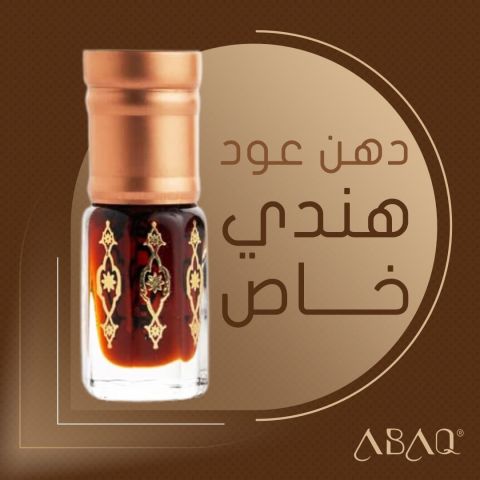 Special Indian Oud Oil from Assam
SAR 125
Abaq
Partner store
-
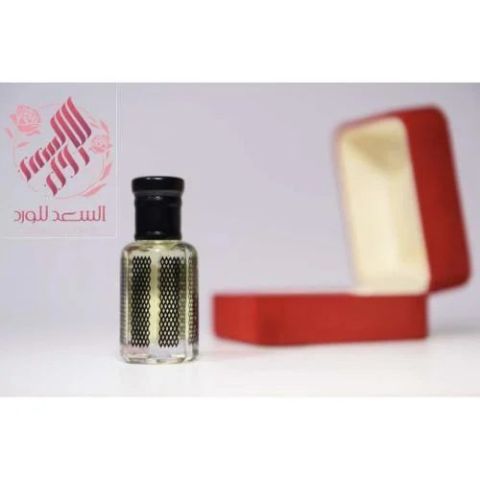 Rose Cardamom Oud Mix Perfume Oil, Quarter Tola
SAR 300
 Al Saad Flowers
Partner store
-
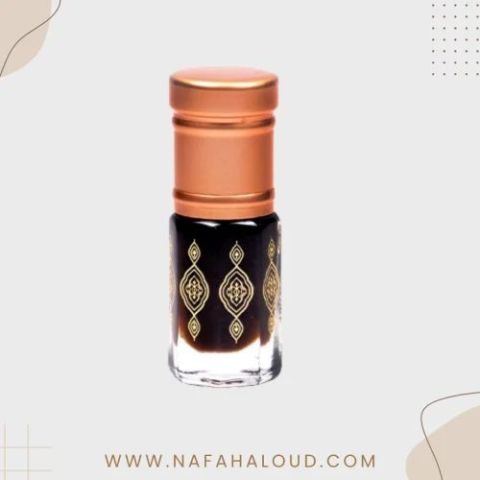 Earthy Indian Oud Oil (Dehn Al Oud) for Personal Fragrance
SAR 85
Nafah Atyab Al-Oud
Partner store
How is oud tried?
Before buying a large quantity, a small piece is tried on an electric burner or suitable charcoal in a well-ventilated room. Natural oud tends to show layers that change over time, while an added scent may seem single and strong from the first moment.
Oud is kept in an airtight box, away from moisture and direct light.
All oud products
Oud, incense and oriental fragrances in every size and price, from selected Saudi stores in one category.