Buying guide
Abaya Buying Guide
A short guide to the usual differences between abayas before buying: the fabric, how it feels, drapes and suits the season, what the cut names in product titles mean, how size and length are taken, and how an abaya is washed and ironed. What follows is a general description of what is common in the market; the product description and the store's size chart remain the first reference.
Fabric first
The fabric decides how an abaya feels, drapes and weighs in hot weather, and it is what product names mention most. Below are the best-known fabrics on offer, each described in general terms. A real piece can differ by mill, weight and yarn blend, so the written description and care label on the product card are worth checking.
Figures as of 4 November 2026
Crepe (including Japanese crepe)
One of the most common fabrics for everyday abayas. It feels soft with a lightly grained surface, hangs loosely and rarely shines. It generally suits most of the year, and Japanese crepe is usually known for a softer drape and slightly more weight. It is ironed on low heat, washed gently, and not rubbed.
37 products · 2 stores · From SAR 295
-
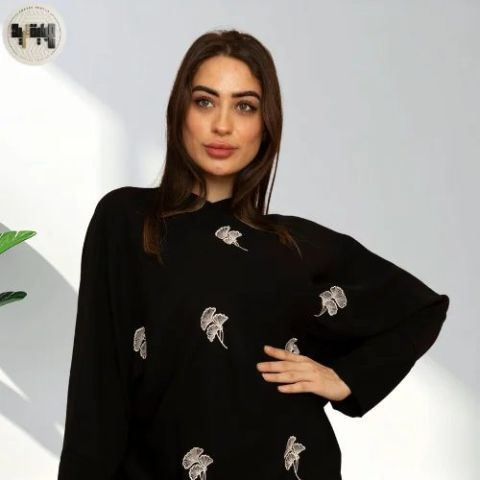 Black Half Bisht Crepe Abaya with White Floral Embroidery
SAR 350
 Abaya Thread
Partner store
-
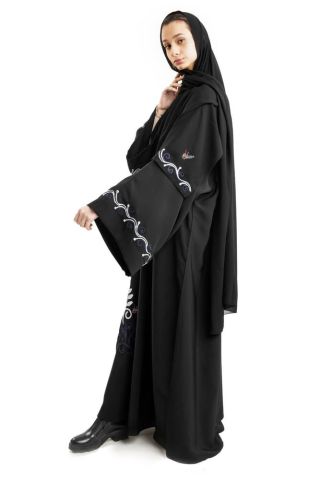 Salona Crepe Embroidered Abaya with Silk Thread Flowers H11
SAR 734
 Bukanan
Partner store
-
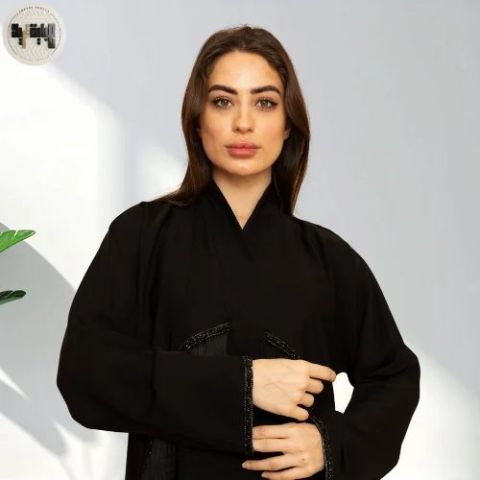 Black Crepe Evening Abaya with Beaded Embroidery and Tassels
SAR 385
Abaya Thread
Partner store
-
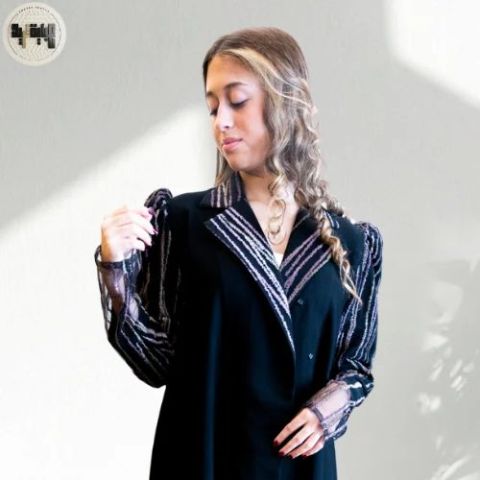 Black Crepe Abaya with Sheer Puffed Sleeves and Shimmer Embroidery
SAR 350
Abaya Thread
Partner store
Saloona and Yara Japanese
Japanese fabrics sold under these two names, usually described as soft with a comfortable drape and little creasing. Weights vary between the two and between stores, so the written weight is worth a look. They generally suit frequent wear through most seasons.
14 products · 1 store · From SAR 437
-
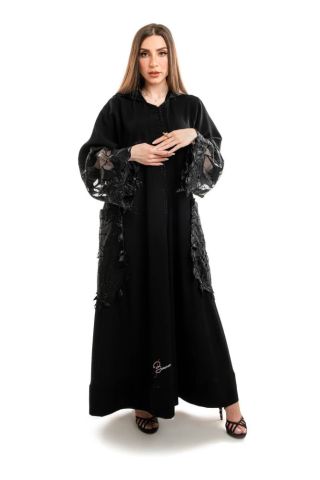 Japanese Salona Abaya with Moroccan-Style Hood and Embroidery
SAR 1,271
Bukanan
Partner store
-
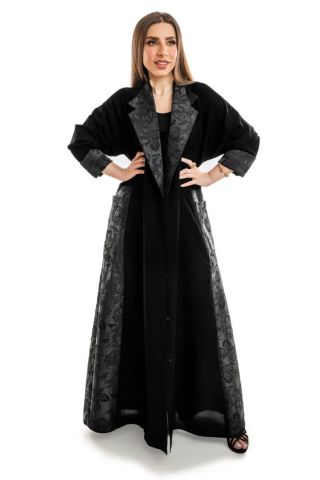 Jacket-Style Abaya in Japanese Salona with Fine Flowers
SAR 753
Bukanan
Partner store
-
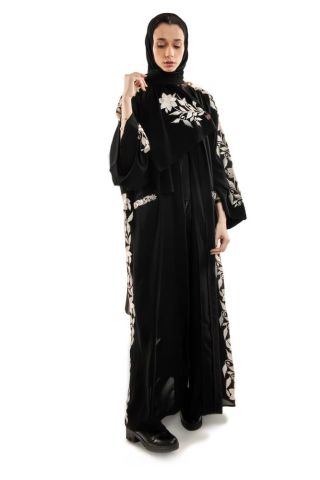 Rawa Abaya in Japanese Salona with White Floral Embroidery
SAR 966
Bukanan
Partner store
-
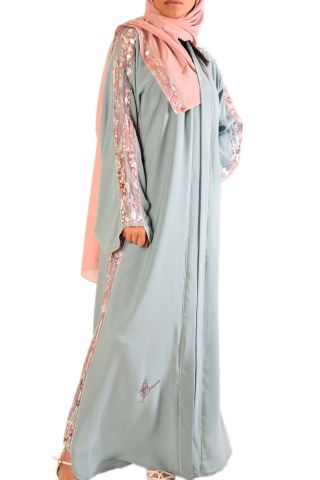 Japanese Yara Abaya with Beadwork Buk04
SAR 592.25
Bukanan
Partner store
Linen (including Indian linen)
Usually described as light and breathable, so comfortable in hot weather. Its feel is natural and slightly dry, and it creases easily, which is part of its character. Indian linen can differ from other linen in weave and weight depending on the mill. It is washed gently and ironed slightly damp on medium heat.
19 products · 2 stores · From SAR 280
-
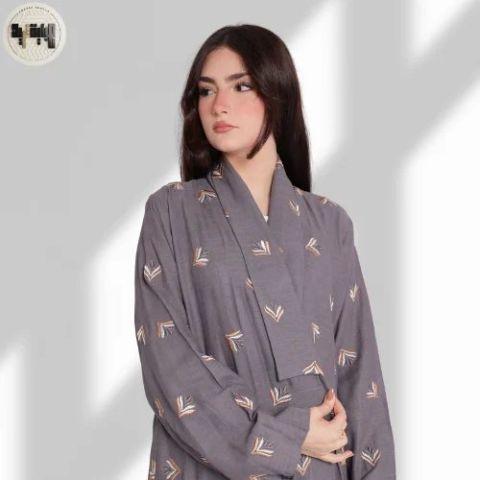 Gray Linen Abaya with Symmetrical Geometric Embroidery
SAR 280
Abaya Thread
Partner store
-
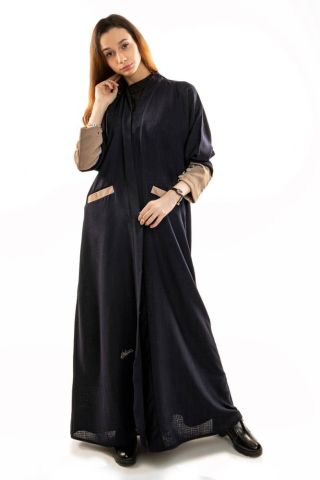 Navy Linen Abaya with Hidden Pockets and Covered Buttons A42
SAR 598
Bukanan
Partner store
-
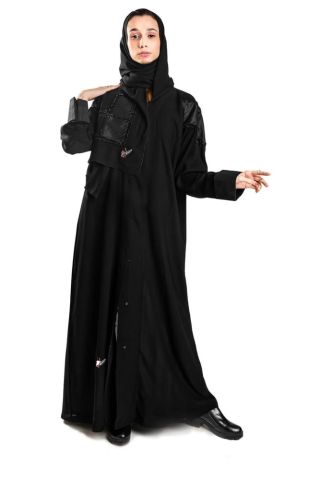 Linen Abaya with Two Satin Squares and Hand Beading T52
SAR 730
Bukanan
Partner store
-
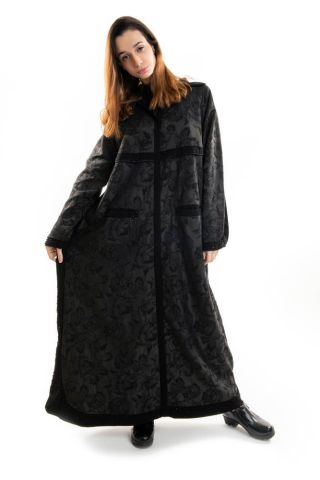 Abaya with Flowers and Crystal Chest Belt A07
SAR 1,139
Bukanan
Partner store
Velvet (including Korean velvet)
A dense fabric with a soft pile and a heavy, elegant drape, usually better for winter and occasions. Korean velvet is generally known for being softer and lighter than heavy velvet. It needs special care: dry cleaning or the store's instructions are preferred, direct ironing is avoided, and it is hung without pressure.
14 products · 2 stores · From SAR 300
-
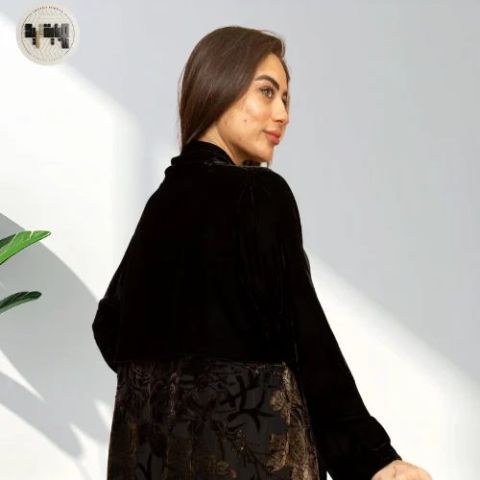 Black Velvet Abaya with Gold Floral Ornaments
SAR 300
Abaya Thread
Partner store
-
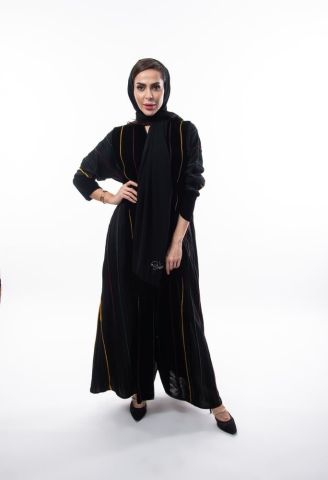 Striped Velvet Abaya with Colored Silk Lines BUK73
SAR 724.50
Bukanan
Partner store
-
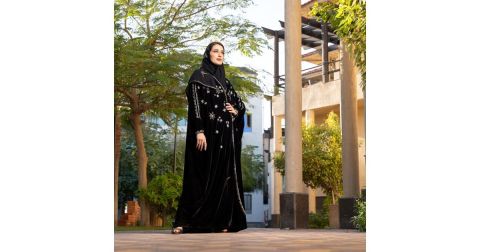 Black Velvet Shoulder Abaya with Silver Star Embroidery SHETWI02
SAR 764.75
Bukanan
Partner store
-
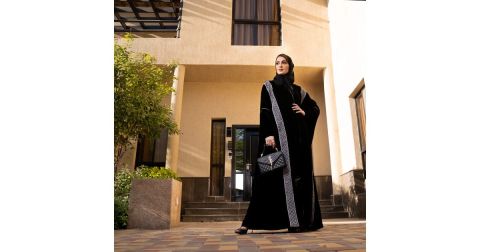 Black Velvet Shoulder Abaya with Decorative Trim Buk172
SAR 891.25
Bukanan
Partner store
Sharifa
A name some stores use for a fabric sold under that label. Its description differs from store to store, so the composition, weight and care instructions in each product description are best checked before buying.
28 products · 1 store · From SAR 362.50
-
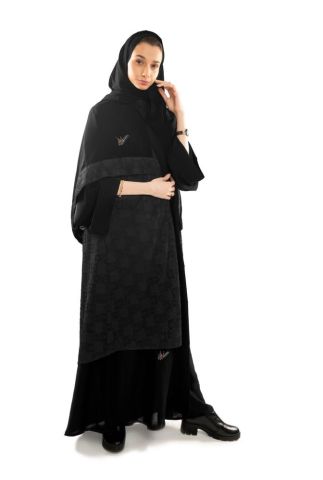 Korean Sharifa Abaya with Patterned Lace Front A29
SAR 619.50
Bukanan
Partner store
-
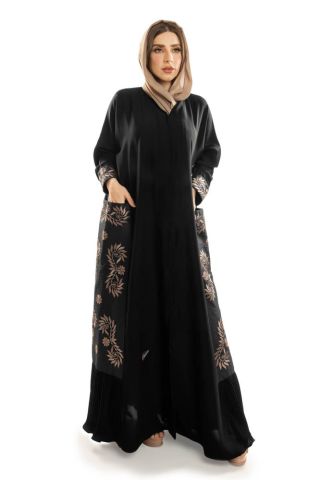 Embroidered Korean Sharifa Abaya with Long Pockets and Silk Flowers T40
SAR 671
Bukanan
Partner store
-
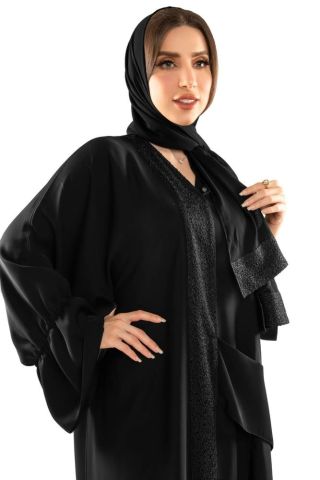 Korean Sharifa Abaya with Black Lace Band and Pleats F03
SAR 579
Bukanan
Partner store
-
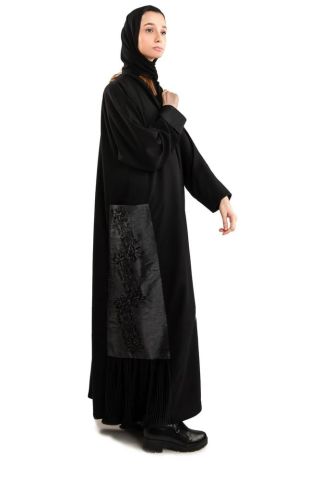 Korean Sharifa Abaya with Long Pockets and Crystal Embroidery T60
SAR 646.75
Bukanan
Partner store
Jersey
A comfortable stretch fabric that follows the body and falls softly. It suits everyday and home abayas and those where freedom of movement matters. It may stretch with repeated washing and wear, so it is washed gently and dried flat.
1 product · 1 store · From SAR 408.25
Washed silk (including Korean)
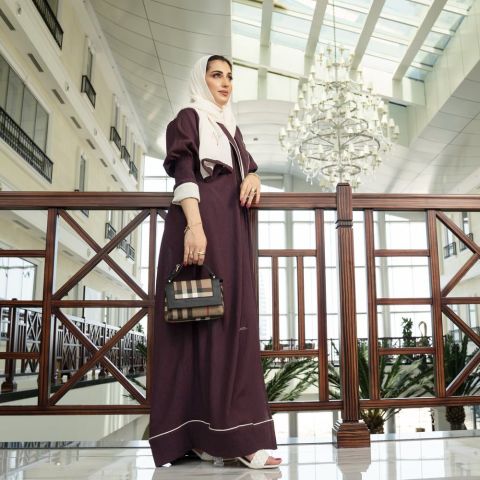
Washed silk is usually described as soft with a smooth flow and a calm sheen, quieter than smooth silk. It generally suits mild weather and occasions. It needs a gentle wash, is ironed on a very low heat from the back, and is kept away from direct perfume and long exposure to sweat.
4 products · 1 store · From SAR 339
-
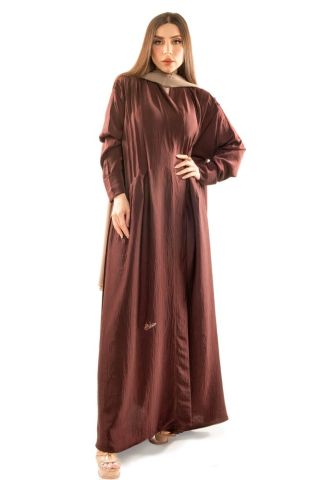 Casual Washed Silk Abaya with Pleats and Plain Scarf A58
SAR 419
Bukanan
Partner store
-
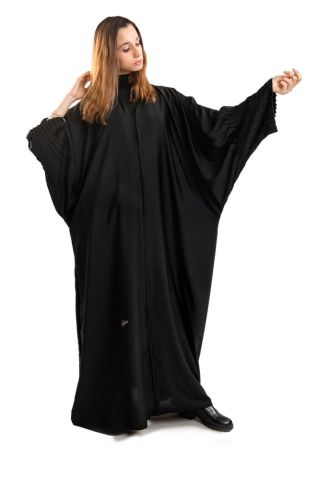 Korean Washed Silk Abaya with Pleated Sleeves J02
SAR 431
Bukanan
Partner store
-
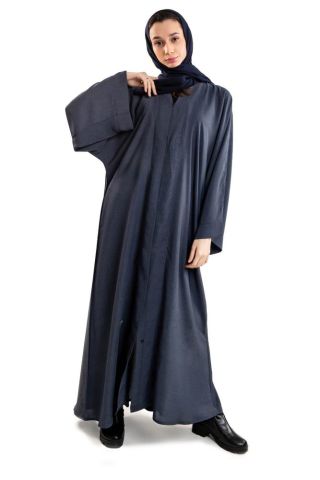 Plain Washed Silk Abaya with Plain Scarf
SAR 339
Bukanan
Partner store
-
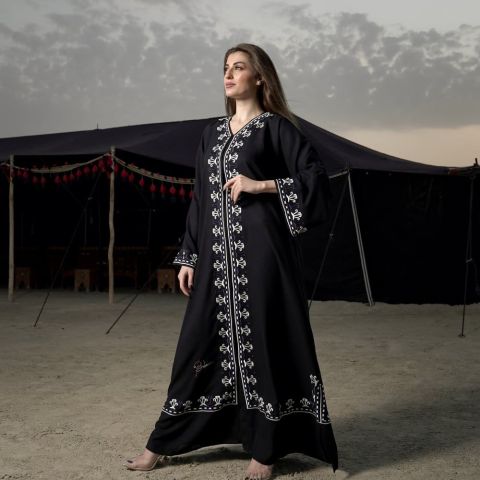 Black Crepe Abaya with White and Navy Silk Embroidery BUK85
SAR 563.50
Bukanan
Partner store
Satin and lace: details, not base fabrics
Satin and lace usually appear on abayas as a detail on the sleeves, edges, hem or collar rather than as the fabric of the whole garment. The base fabric is looked at first, then how the detail is attached and whether it needs special care.
Abaya fabrics
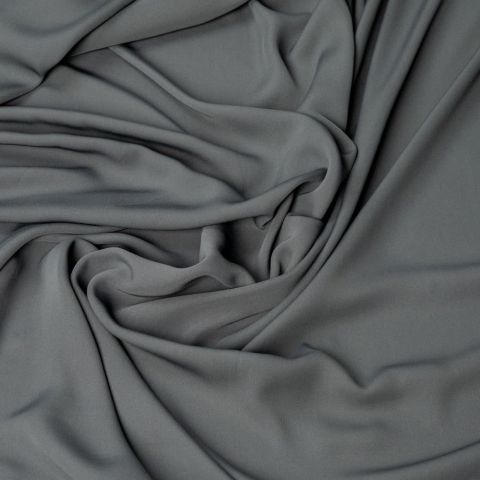
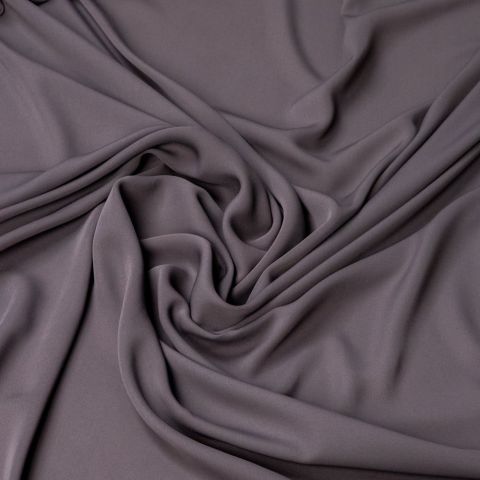
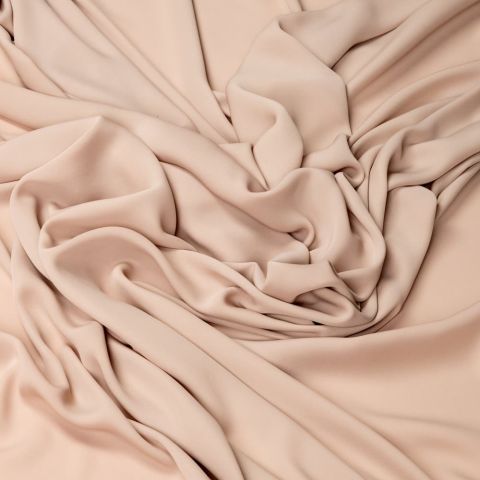
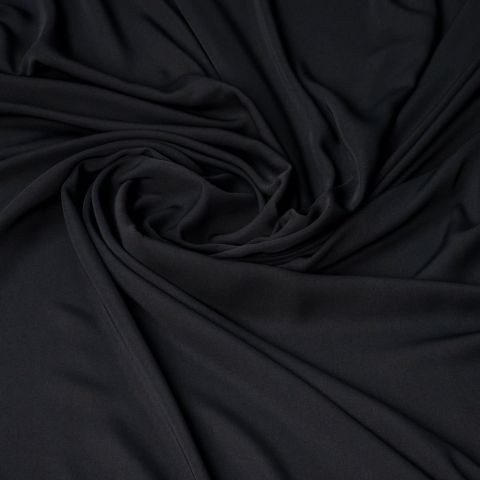
Fabrics sold by the metre or by the piece for anyone having an abaya tailored, not ready-made abayas. Width, weight and the length needed for the chosen cut are worth checking, and a small sample is tried before cutting.
37 products · 1 store · From SAR 17.60
Cuts: what do they mean?
Abayas are named by their cut, and the naming varies a little between stores. Here is what the common ones usually mean.
Shoulder abaya — Worn from the shoulders like an open-top robe, with a separate scarf or head cover. It is the lightest and easiest to move in.
Head abaya (including Islamic head and butterfly) — Put on over the head so one piece covers head and body. "Islamic" usually points to a wider cut that covers more, and "butterfly" to wide sleeves that spread like wings.
Kloosh and half kloosh — Kloosh is a cut that widens from the waist or chest downwards in a circular flare, and half kloosh is less wide. It gives clearer movement and drape and needs more fabric.
Bisht — An open-front cloak worn over clothes or over an abaya, usually with wide sleeves and decorated edges, and suited to occasions.
Jacket and open abaya — An open-front abaya worn loose or tied with a belt over ordinary clothes, suited to work and everyday use.
Kimono sleeves — Wide sleeves that fall from the shoulder without a tight cuff, so the abaya looks flowing. They may need some care when eating or driving.
Size and length
Length is measured first: from the top of the shoulder down to the ankle, or to the point above the floor that is wanted, and compared with the length given in the store's size chart rather than with the size number alone, since the same size differs from one store to another.
Sleeve width and length are worth checking too. Some cuts, such as kimono and bisht, come with wide sleeves that may not suit anyone who prefers a narrow cuff. When measurements fall between two sizes, the larger one is the usual choice for an abaya worn over clothes, and the hem can be shortened by a tailor if needed.
The product description shows whether the length is fixed or set at order time, and whether the store accepts alterations or exchanges.
Caring for an abaya
The care label inside the abaya or in the product description comes first. In general, abayas are washed gently by hand or on a delicate cycle inside a mesh bag, in cold or lukewarm water with a mild detergent, without hard wringing or bleach, and dried in the shade.
Delicate fabrics such as crepe are ironed on a low heat, preferably inside out or with a thin cloth on top. Around embroidery, beads and stones, cleaning is gentle with no direct rubbing, and ironing is done from the back over a towel so the decoration is not crushed.
An abaya is stored hanging in a breathable cover away from damp and direct light, and velvet and decorated pieces are best not folded tightly.
All abayas
Abayas in a range of cuts and fabrics from selected Saudi stores in one category.